The Fast Track to Modern Fandom
This post was created in partnership with EA Sports
Key takeaways
- Gaming is transforming fandom by turning fans from spectators into active participants who can play and connect year-round.
- AI is amplifying fan creativity and access, from personalized viewing experiences to virtual coaching from sports legends.
- Brands and sports teams are deepening engagement through interactive moments.
The future of fandom is democratized, immersive, and powered by technology that turns passive sports fans into active participants. From gaming to AI-driven experiences, fans now expect to shape the story rather than simply watch it unfold.
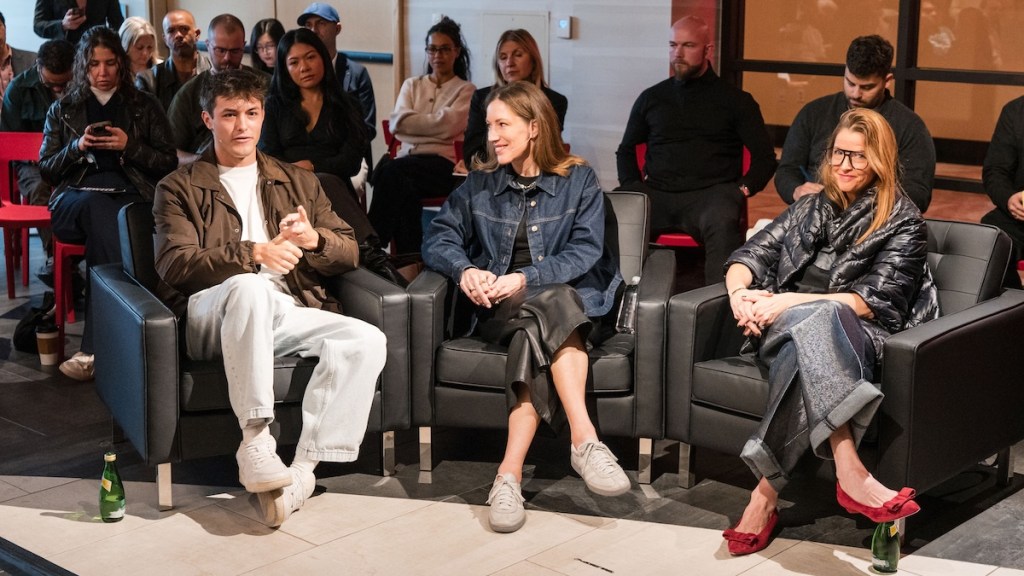
That shift was the focus of an ADWEEK House Raceway Group Chat co-hosted with EA Sports, where industry leaders explored how interactive platforms are redefining what it means to be a fan.
The next generation of fandom
Andrea Hopelain, SVP of marketing and commercial at Electronic Arts, opened the discussion by describing EA Sports’ unique role as a media platform for sports fans. “The playbook for us is how we bring together the components of play, create, connect, and watch, and deliver that every day, 365 days a year,” she said.
Hopelain shared the example of how the Las Vegas Grand Prix track was included in the EA Sports F1 game nine months before it was raceable in real life. “We had hundreds of millions of laps around that circuit before any real-world driver,” she said. “Some of those drivers were playing and racing the track inside of our game.”
“It’s really interesting how fandom has evolved,” agreed Ashley Holinger, global head of pan-Amazon for Games at Amazon Web Services. “It’s not just about watching a big F1 race anymore. It’s how can I engage? How can I be a part of that narrative? How can I personalize and make it mine?”
For Williams Racing, it’s critical to center on its fans. “One thing that Williams has really built itself on is listening to the fan voice. We have so many ways that a fan can interact, and we take that and push it into all our content,” explained Divya Goel, VP of fan engagement for Williams Racing. “We’re telling the fan you’re not just a fan of the team, but you’re part of it. And I think technology is helping us to do that.”
When it comes to driving immersive fan experiences, technology is at the heart of it all, explained Kameryn Stanhouse, VP of sports and entertainment partnerships at IBM, “The old days of how my parents consumed sports, where they watched and then it was over—that no longer exists,” she said. Today’s fans have opportunities to feel closer to their favorite teams and athletes.

Fan experiences on AI overdrive
Kate Johnson, global marketing director of integrated brand partnerships and head of sports and entertainment at Google, shared that the journey is just beginning. “Thinking about how tools like AI are going to put the power in fans’ hands to be creative about their own viewing experience and how they engage with it is going to be fascinating,” she said.
For instance, IBM is already using AI to power a coaching app with Agassi Sports in which former pro tennis player Andre Agassi gives tips on serves and backhands. “Served through trusted partners that you know can deliver the information correctly, and having a legend like Andre be the endorser of that helps it be comfortable,” said Stanhouse.
Griffin Johnson, creator and entrepreneur, expressed some caution about experimenting with AI agents, but acknowledged the potential. “The interaction that you’re going to get with that, and the actual fandom that athletes are going to be able to build, is going to change the world,” he shared.
Gaming levels the playing field
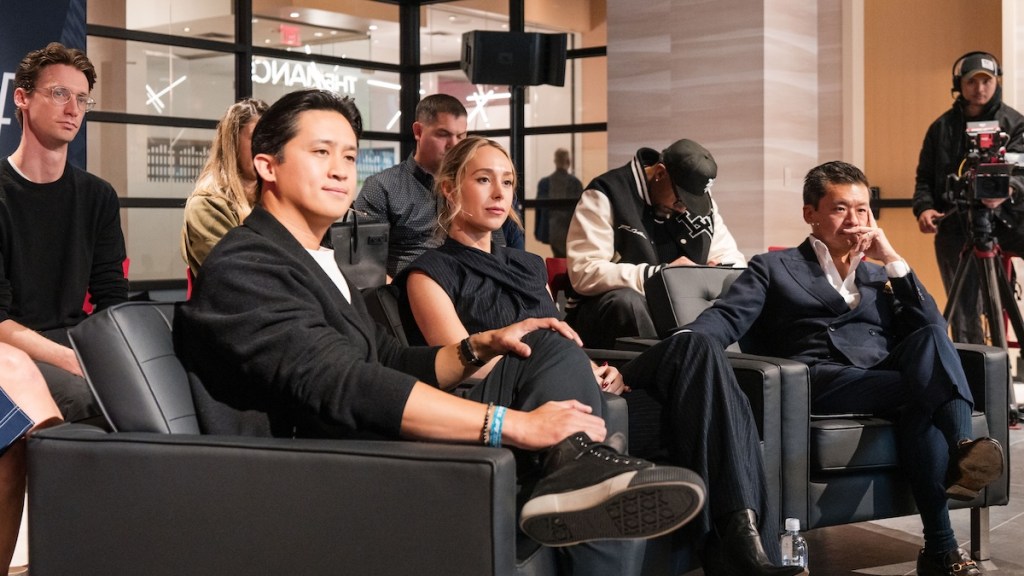
The conversation shifted into how gaming opens up fan access. “In a lot of fandom, it actually starts with the controller. It’s no longer the ticket,” explained Alex Dao, VP of advertising and sponsorships at Electronic Arts. “And so, it democratizes that access to the player. The players in our games start to follow different teams, allegiances, and loyalties through our games, and then they live that out in the real world,” he said.
Brands like Liquid IV are also joining fan communities. “We look at it as a balance between showing up in these big cultural moments to gain awareness, and we look for partners that are aligned with our brand values and share the same demographic. We like to balance that by focusing on those micro moments and those micro experiences,” said Brittany Shaw, Liquid IV’s Head of Brand. “It’s about bringing our community on the journey with us, and having them be part of the brand story.”
With F1, the fandom runs especially deep, added Google’s Kate Johnson. “Just going down into the pits and making sure that fans have access to learn as much as they want about the drivers, about the technology, about the engineers—those are the right partnerships to form,” she shared.
Finding ways to inspire the world to play is what EA Sports is all about. “When we think about play, there are ways to do that within our games, but then there are also ways to do that around our games. We’re thinking about more experiential types of things where we can bring the player and the fan into real-world experiences and bridge that back into the game itself,” said Dao.
Featured Conversation Leaders
- Alex Dao, VP, Advertising and Sponsorships, Electronic Arts
- Divya Goel, VP, Fan Engagement, Williams Racing
- Ashley Holinger, Global Head of pan-Amazon for Games, Amazon Web Services
- Andrea Hopelain, SVP, Marketing and Commercial, Electronic Arts
- Griffin Johnson, Creator and Entrepreneur
- Kate Johnson, Global Marketing Director, Integrated Brand Partnerships, Head of Sports and Entertainment, Google
- Will Lee, CEO, ADWEEK
- Brittany Shaw, Head of Brand, Liquid IV
- Kameryn Stanhouse, VP, Sports and Entertainment Partnerships, IBM
https://www.adweek.com/brand-marketing/the-fast-track-to-modern-fandom/