What ‘Full Funnel’ Really Means for Today’s Brands
This post was created in partnership with SmartCommerce
Key takeaways
- The marketing funnel has evolved thanks to omnichannel shopping, social media, and personalization.
- Consumers have more control over their role in the marketing funnel.
- Rather than trying to reach every consumer, brands should focus on personalizing their marketing message and targeting consumers at the right moment in the funnel.
In this omnichannel era, marketing has been thrown for a loop. Customers may still need multiple touchpoints to move from awareness to conversion, but the path is not necessarily direct. Brands are navigating these shifts and rewriting their playbooks. Staying on top of the trends helps brands understand the funnel’s changing nature, messaging, personalization, and data to lead consumers to conversion and loyalty.
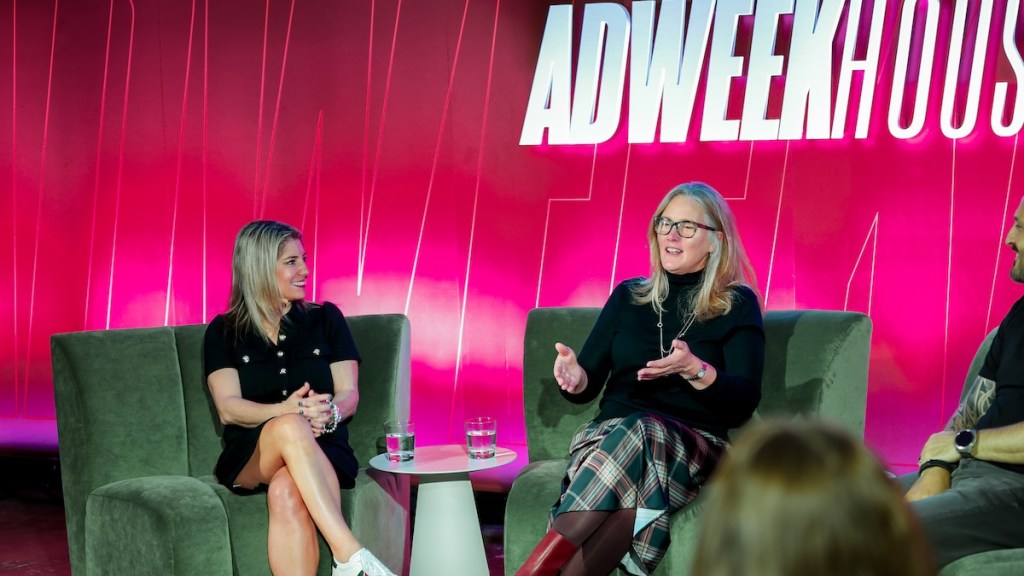
During an ADWEEK House Brandweek 2025 Group Chat co-hosted with SmartCommerce, a panel of marketing leaders and executives explored how omnichannel is transforming the marketing landscape for brands and for consumers.
How brands define funnels today
The conversation began by dissecting the current marketing funnel, given a more fragmented ecosystem that attracts different consumers at different times and places. Jennifer Silverberg, CEO and founder of SmartCommerce, defined the shift.
“We used to market in one place and sell in another,” Silverberg shared, explaining that now, due to phones, everything is in one place. “We had to unlearn the idea that every consumer goes through stages,” Silverberg said, as there is now a compression of the funnel between discovery and action.
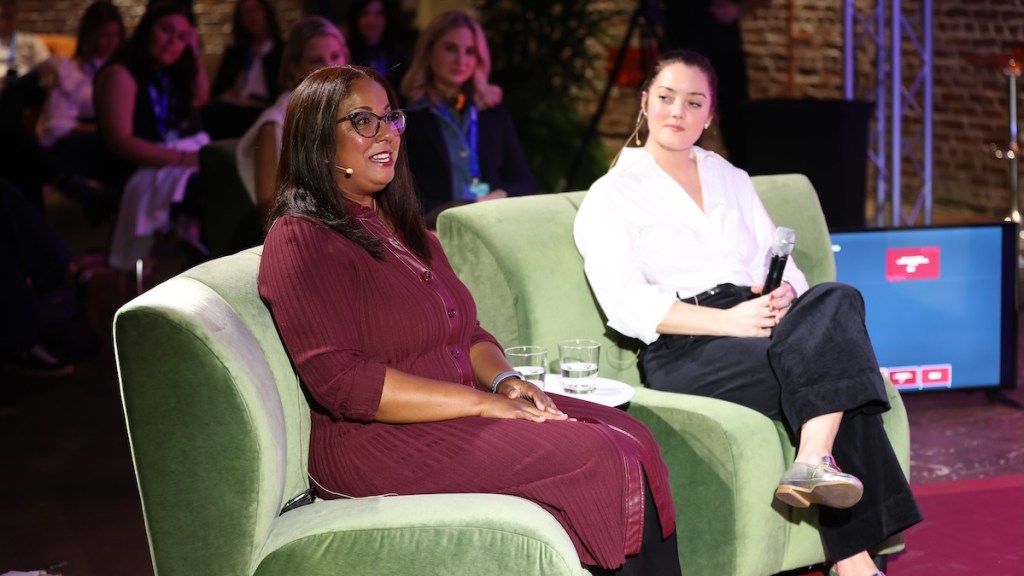
Not everyone agreed that funnel fundamentals have disappeared, though. Conversion starts with awareness, a storyline, and feelings. “It’s very difficult to get to action from a storyline,” said Benoit Vatere, chief media officer of Liquid Death. The story and feeling need to be repeated several times before consumers act. “There are so many ways to consider the product and act, but the fundamentals are still the same,” he said.
Beth Tripaldi, head of strategy at ARGONAUT, calls the truncated or condensed omnichannel funnel “Chutes and Ladders.” Consumers are “taking over” the process. “A simple review can actually change your awareness and your reputation and your perceptions,” she shared. It’s a constant loop between inspiration and action, and everything in between.
Creators’ and consumers’ role in the funnel
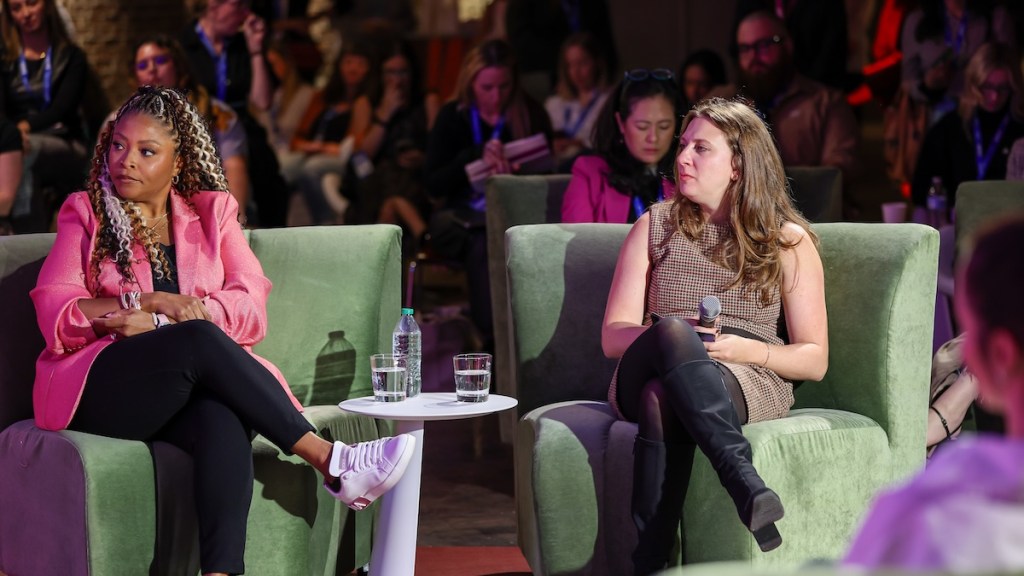
The changing funnel means that Candace Payne, VP of marketing at Sephora, is focusing on meeting consumers where they are. A few months ago, the brand launched My Sephora Storefront, a creator-powered affiliate market.
“Now the creators can have a piece of content on their spot, take action, and then send people directly to a curated storefront on Sephora.com,” she said. “That’s really bringing together the creator influence, that emotional connection, directly to the commerce piece.” Hosting it on sephora.com gives the brand more ownership in the beauty affiliate market, Payne added.
In many ways, power has shifted from the brand to the consumer. Brands must be strategic in all parts of the funnel.
“The customer really is the one in charge,” said Tisha Thompson, CEO and founder of LYS Beauty. She discovered that their top-of-the-funnel efforts to gain attention were not necessarily leading to conversions. But a viral TikTok video showing someone using the brand’s product led to thousands of orders overnight. LYS capitalized on the sales, but had to backtrack to the awareness level to avoid sales being a one-off. “I will say, ultimately, what has united us in all of the areas of the funnel for our brand is emotional connection,” shared Thompson. “We have to make sure that we don’t just let data drive.”
What to do first
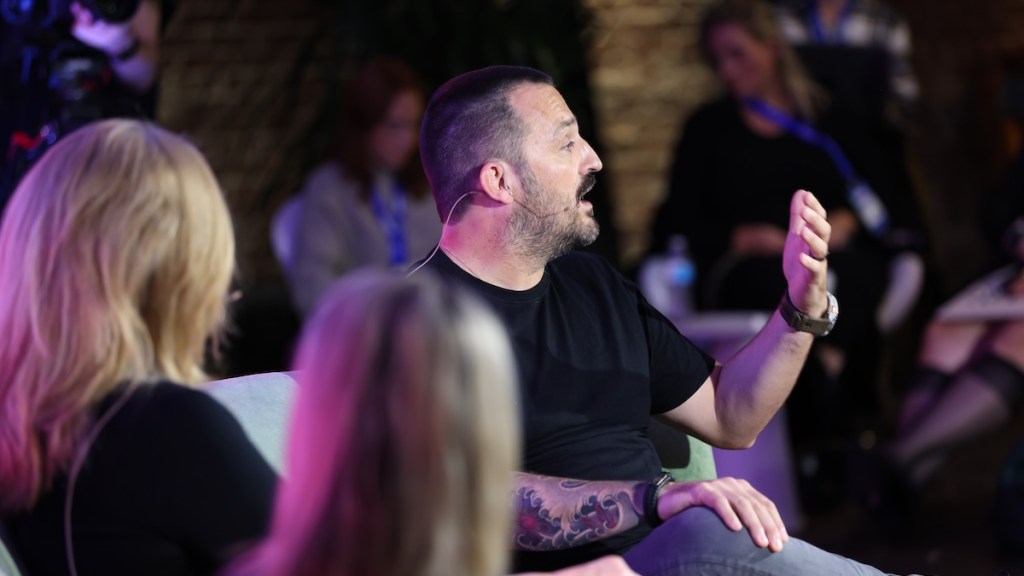
Without a traditional funnel, how should marketers prioritize their efforts? It’s important for messages to be in the right places at the right moments, shared Nicole Vinson, VP of global digital, media, and omni-shopper experience at Kellanova.
“The magic today is the ability to reach more personalized audiences to target more precisely,” she said. The game is no longer to reach as many people as possible, but to reach the right consumers with the highest propensity to buy.
Understanding your brand and its lifecycle is key, along with pinpointing the problems the brand is trying to solve. “Our budgets aren’t getting bigger, and so you have to make smart decisions on how you are going to spend your budget,” said Vinson.
Featured Conversation Leaders
- Candace Payne, VP of Marketing, Sephora
- Jennifer Silverberg, CEO and Founder, SmartCommerce
- Tisha Thompson, CEO and Founder, LYS Beauty
- Beth Tripaldi, Head of Strategy, ARGONAUT
- Benoit Vatere, Chief Media Officer, Liquid Death
- Nicole Vinson, VP of Global Digital, Media, and Omni-Shopper Experience, Kellanova
- Alison Weissbrot, Executive Editor, ADWEEK
https://www.adweek.com/commerce/what-full-funnel-really-means-for-todays-brands/