Why Marketers Must Look for New Opportunities in ‘Cultural Time Zones’
This post was created in partnership with Dentsu
A marketer’s playbook has many strategies for reaching an audience, but as consumers spend more time online—and with agentic platforms—live events and cultural moments should be a higher priority than ever before.
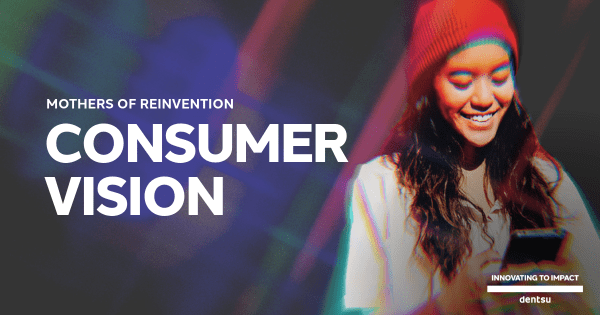
Dentsu, which released its third Consumer Vision report titled “Mothers of Reinvention,” defines these moments of human collectivity as “cultural time zones.”
During a Marketing Vanguard Summit session co-hosted by Dentsu, Beth Ann Kaminkow, CEO of Americas and chief global client officer at Dentsu, sat down with Maggie Schmerin, chief advertising officer at United Airlines, to discuss the importance of “cultural time zones” and how brands can capitalize on these moments.
The power of an immediate community
Kaminkow kicked off the breakfast session by using the recent Met Gala as an example of a “cultural time zone.” Fans were able to engage live with others and stream the event, becoming part of the moment in real time. Kaminkow also referenced Substacks that linked to clothes and styles worn by the guests.
This immediacy pulls people into a like-minded community, giving brands an opportunity for authentic reach.
“Everything gets amplified in a way that is not distracting, that does not feel like it’s pulling you out of the moment, but pulling you deeper into the moment,” Kaminkow said. “That whole experience gets amplified by the community that you are now a part of around you.”
While marketers have been doing this for years with events like the Super Bowl, finding new opportunities in our “algorithmic era” is the key to brand survival.
“We have to look for these counter moments where we do what is right for our brands, in a way that’s going to break through and stand out,” Kaminkow said.
Hollywood hits as a ‘cultural time zone’
For Schmerin and United, one of these “cultural time zone” moments was the airline’s inclusion in the recent Hollywood hit The Devil Wears Prada 2. In the movie, Miranda Priestly (Meryl Streep) has to take a flight—but ends up flying commercial. For this powerful editor-in-chief, it’s quite a step down from first class.
The scene is less than a minute long, but when it’s on, the United logo is on all of the seatback TVs.
Schmerin said that it wouldn’t be the most flattering look for an airline to make a joke about its coach class, but United saw an opportunity.
“We have research that shows [The Devil Wears Prada] is one of our top five most rewatched movies that people watch on board. And so the second one will, of course, be around for decades to come,” Schmerin said. “I want to insert the brand in the culture. I want to insert us in places where people can’t tune out the advertising.”
Dentsu’s latest report, ‘Mothers of Reinvention’
Dentsu released the third edition of its Consumer Vision series, titled “Mothers of Reinvention.” At the heart of the report was data from 30,000 consumers in 25 countries, exploring how technology, culture, consumers, and brands will be reshaped in the next 5 to ten years.
AI was at the forefront of the study, and Dentsu worked with 20 experts and futurists in cultural sociology to identify four major forces that will impact the relationship brands have to consumers. The report identifies a set of trends behind each force, as well as a section on how marketers must adapt and act.
For example, Force 01 is identified as “The Future of Technology,” and sees a future where consumers rely heavily on agentic platforms, meaning brands must engage not only with humans, but their digital proxies. One suggestion the report makes is that marketers “build an infrastructure that allows them to communicate with the proxy but also across proxies.”
Force 03, “Infinite Reinvention,” touches on the “cultural time zones” discussed by Kaminkow and Schmerin.
According to the report, 78% of consumers either have, or want to, move toward flexible work that allows for better work-life balance. This will be possible as consumers use AI tools to handle rote work, optimize productivity, and creatively reinvent the structure of their lives.
That restructuring means more free time, and consumers will be looking for human connection through shared experiences. Big cultural moments will be more desirable than ever. The report suggests brands “lean into the cultural IP that allows consumers to connect time and time again.”
In a statement, Kaminkow said, “What stands out in this year’s findings is that consumers are not simply asking brands to become smarter or faster. They are looking for brands that can help them progress, pursue their ambition to reinvent themselves, and mentor them in their journey into the next. That has implications not just for media and creativity, but for product design, customer experience and the role brands play in peoples’ lives.”
To read the full report, click here.
https://www.adweek.com/agencies/why-marketers-must-look-for-new-opportunities-in-cultural-time-zones/