Why Retail Media Needs Creators Who Convert
This post was created in partnership with Inmar Intelligence
Key takeaways
- A creator’s following is important, but marketers should also judge content by how far it travels.
- When a piece of content lands, marketers need to be ready to scale fast.
- Consumers are frequently looking for non-polished creators who radiate authenticity.
The line between content and commerce is disappearing, and creators are turning attention into transactions. For brands, the challenge isn’t whether to work with influencers, but how to do it in ways that drive measurable results.
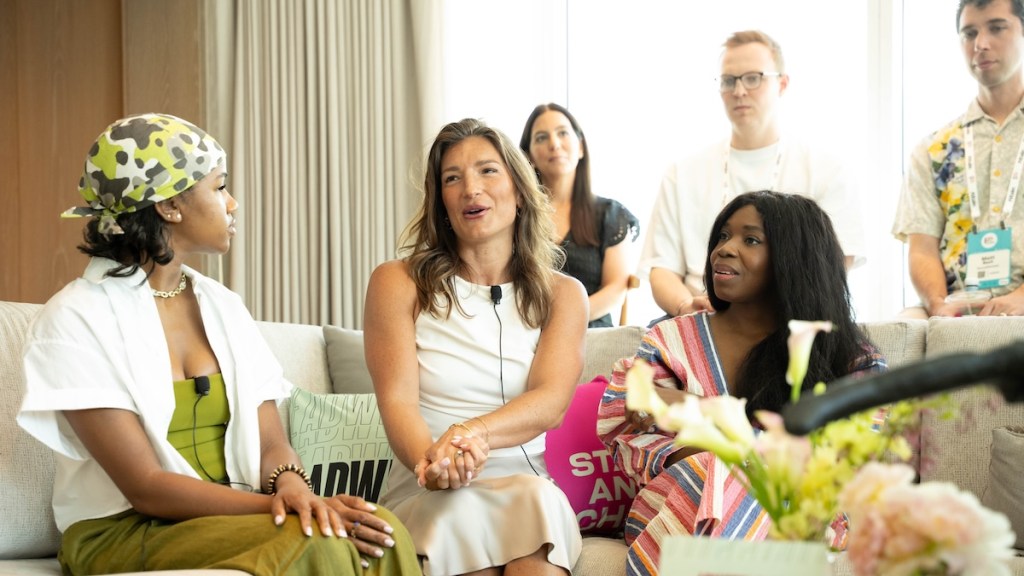
That conversation took center stage at an ADWEEK House Miami Group Chat, presented in partnership with Inmar. Industry leaders discussed the evolving landscape, emphasizing the importance of authenticity and data-driven strategies.
Creators aren’t just amplifiers
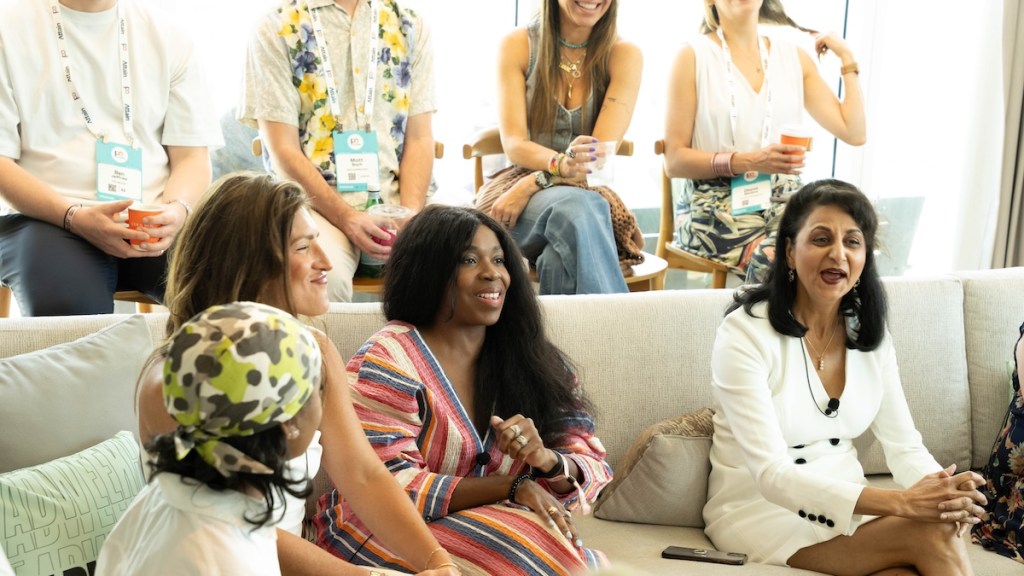
The idea that creators only build awareness is outdated. As Ranjana Choudhry, SVP of media and data platforms at Inmar Intelligence, explained, “Creators are not just brand amplifiers anymore. They are the final point of sale.” That reality requires a smarter approach to creator selection—one that blends art with science. Inmar’s Fit Score model supports this by aligning creator content and audiences with first-party retail data to predict who is most likely to drive sales.
Cristina Costa, senior director of CPG and head of beverage at Inmar, noted that in regulated categories like alcohol, an influencer’s location can be just as important as their content. “If you’re focused on Publix in Florida, you can’t work with someone based in California,” she explained. “We need data to align creators not just with brands, but with the specific type of sale we’re trying to drive.”
Community is the data, and authenticity is the strategy
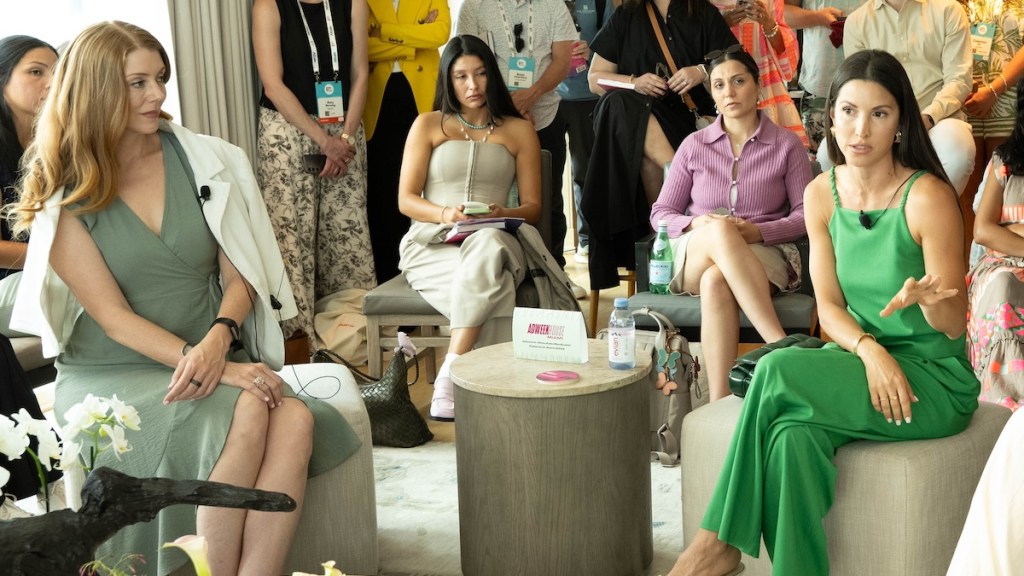
While hard metrics matter, creators on the panel emphasized that some of the most meaningful data is personal. DonYe Taylor, a content creator and brand strategist, described launching her own product (a chrome piggy bank shaped like a brain) based on what she knew her community would love. “On the first day, I sold 200 brain banks at $160 each,” she shared.
Taylor, who previously worked in brand partnerships, added that smaller creators often outperform expectations, especially those who develop recurring content formats. “I always saw strong ROI from influencers who had their own mini shows or series,” she said. “Their followers tune in like it’s Netflix. So, finding different ways to incorporate product into their content series is a really good way to track ROI.”
Priscila Fadul, founder and CEO of Lendava Skin, has found that incorporating video works for her small business. “I film with real customers who match our lifestyle,” she said. “My budget is limited, of course, and for me, data, community, and authenticity—that’s my media plan.”
Krystal Hauserman, CMO and strategic advisor at both Urban Stems and NOYZ, echoed the shift toward more data-informed, community-first strategies. “We’re at a turning point. Consumers don’t want to see paid ads anymore. They want to hear from people who are already obsessed with your product. And through the power of AI, we’re uncovering who they are and bringing them into a more community-led strategy,” she explained. “Our approach is bringing them in and letting them be part of the brand and creation of the products. That’s where things are headed. The trick is, how are we going to scale it?”
Even as the creator economy evolves, brand storytelling remains at the core. “Brands are the original creators,” said Amy Lanzi, CEO of Digitas North America. “If you want creators to authentically represent your brand, it starts with knowing what you stand for.”] That clarity enables creators to represent brand values in ways that feel organic across channels—from press-on nails to in-store activations.
The new feedback loop: fast, data-rich, and creator-powered
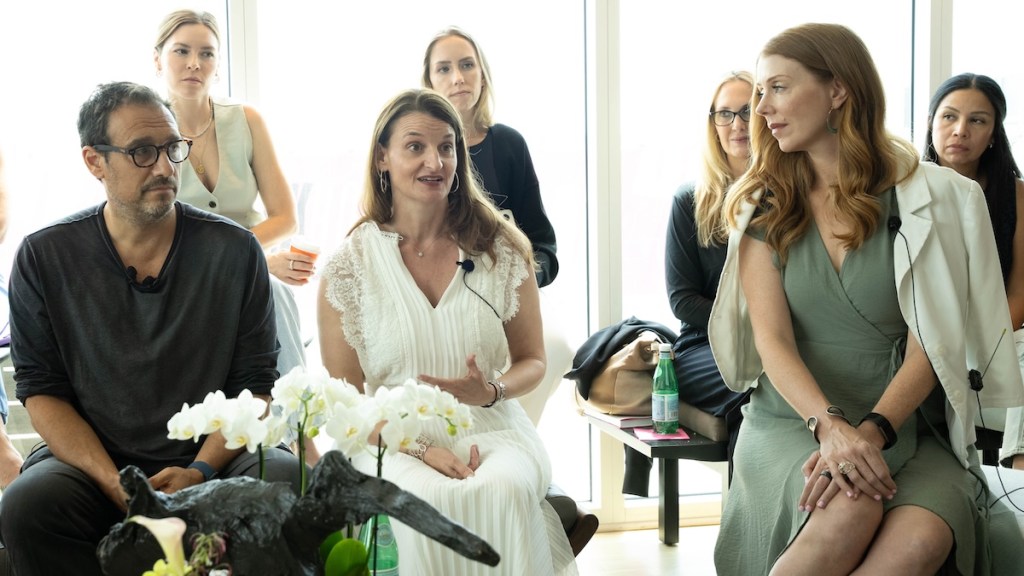
Panelists agreed that relevance, not follower count, is the metric that matters. Kaylen McNamara, chief business officer at VaynerX, shared how her team redefined their organic performance benchmarks. “We shifted our whole organic metric system to focus on total views and average views per post,” she said. “It’s not about your follower base anymore: 95% of content views come from non-followers.”
This reflects a broader truth: Content is judged by how far it travels, not how big the initial audience is. As platforms prioritize what’s relevant over what’s popular, brands and creators alike are learning to optimize for quality, resonance, and shareability—fast.
And when a piece of content lands? Scale it, fast. “All you need is one piece of content,” said artist and sculptor Shawn Kolodny. “The ones that work, they work on every platform.” For him, a video of him inflating balloons hit 40 million views. That led from 50 to 1,000 inbound messages a day, a new website, and eventually, seven-figure projects, he shared.
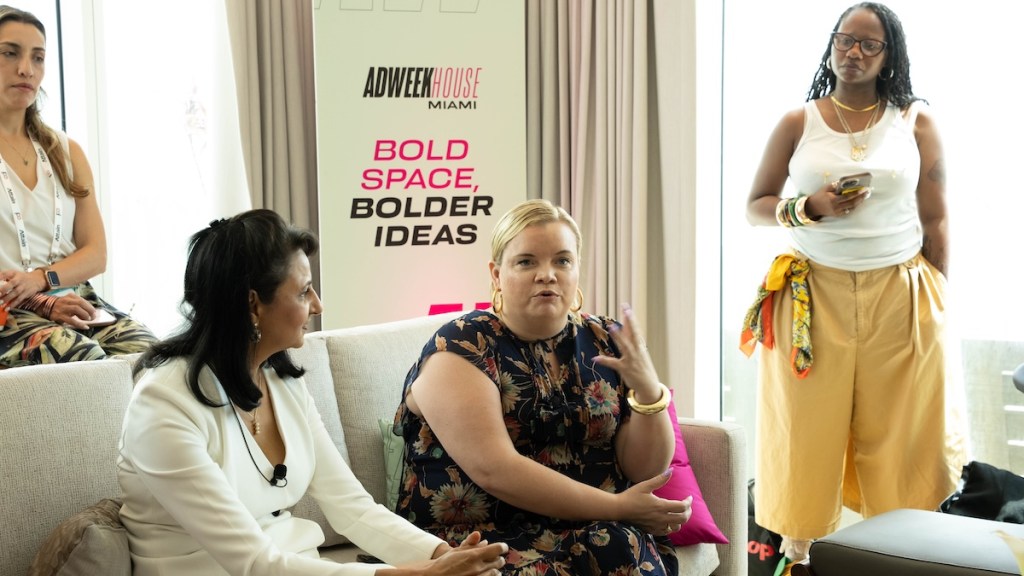
According to Choudhry, the right content shouldn’t stay in one channel. “If you create one piece of content that creates the right kind of trust or impact, that shouldn’t be contained to one platform. Take that content and amplify it across that entire purchase journey,” she said.
Obele Brown-West, president of Colle McVoy, pointed to how quickly inspiration now leads to conversion, and how creators can accelerate the path to purchase. “The conversion window has gone from 30-day lookback to within minutes,” she said. “You need the upfront data to be really specific and precise with the who and the how.” She cited a campaign where one teaser post from Paris Hilton led to Frank’s Red Hot selling out nationally before the Super Bowl. “It didn’t take days or weeks—just the right creator with the right message. Brands are looking to influencer partners to lead them directly to that conversion, immediately.”
What’s next? Founder-led content and community-first brands
As Gen Z and Gen Alpha reshape what influence looks like, brand founders and frontline voices are becoming key content creators, like store employees, Choudry said. “When the associates actually become the mouthpiece for the brand—it’s incredible.”
McNamara’s takeaway hit the core of the conversation: “You can’t buy relevance anymore.” The brands that succeed won’t be the loudest. They’ll be the ones that listen, test, and build with creators who know their audience—and can convert them.
Featured Conversation Leaders
- Ranjana Choudhry, SVP, Media and Data Platforms, Inmar Intelligence
- Cristina Costa, Senior Director, CPG and Head of Beverage, Inmar Intelligence
- Obele Brown-West, President, Colle McVoy
- Priscila Fadul, Founder and CEO, Lendava Skin
- Krystal Hauserman, CMO and Strategic Advisor, Urban Stems and NOYZ
- Shawn Kolodny, Artist and Sculptor, Kolodny
- Amy Lanzi, CEO, Digitas North America
- Kaylen McNamara, Chief Business Officer, VaynerX
- Zoe Ruderman, Chief Content Officer, ADWEEK
- DonYe Taylor, Content Creator and Brand Strategist
https://www.adweek.com/brand-marketing/why-retail-media-needs-creators-who-convert/