Zohran Mamdani Is Marketing Politics Like a Brand
As the first Chief Marketing Officer of New York City, I’ve seen how hard it is to capture the attention of New Yorkers, let alone inspire them. The city may never sleep, but folks scroll fast, forget faster, and spot inauthenticity instantly.
That’s why Zohran Mamdani’s campaign is worth studying and not for its policies, but for its marketing. His team doesn’t just post on social media; they produce cinematic, highly shareable content featuring real New Yorkers, tapping into trending songs and memes. And they collaborate with influencers like Subway Takes, The Kid Mero, and Emily Ratajkowski — and even ran clever spots during The Golden Bachelor and Survivor.
Mamdani isn’t campaigning like a politician. He’s marketing like a brand. And the ROI is clear.
And with the average age of New Yorkers being 38, voters likely consume more TikToks than policy papers, making Zohran’s strategy the right one for modern politics.
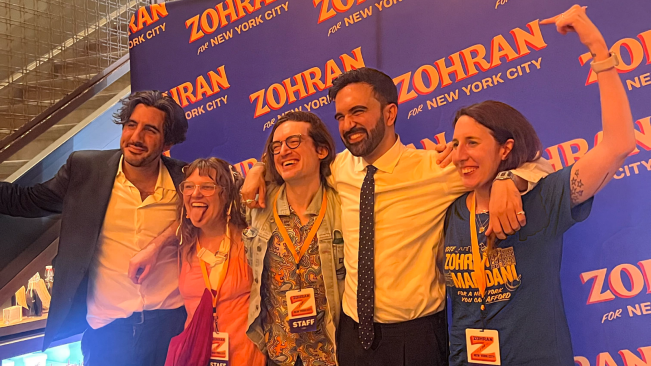
He went where young people are
Mamdani understands what so many political strategists still somehow miss: if you want to reach young people, you have to go where they already are on social media and in what they already watch.
While his competitors were chasing endorsements and local press, Mamdani built a content engine. His videos feel less like campaign ads, which people are tired of, and morel like the TikToks and Instagram Stories people already consume: lo-fi, authentic, and emotionally fluent.
And he isn’t waiting for voters to come to him. He’s showing up in their feeds, and because he does it with cultural fluency, it works. The tone, the humor (yelling “it’s pronounced cyclist,” when a heckler called him a communist when riding a Citi Bike, for example), the self-awareness (frequent mention of his age or controversial rep in some circles) — it all reads as natural, not forced. That’s the same instinct great brands have when they meet their audience on their own turf, without breaking the spell of the platform.
His message isn’t breakthrough. His distribution is.
Mamdani’s core platform, that New York is too expensive and people can’t afford to live here, isn’t novel.
What’s new is how he’s delivering it. He’s talking directly to young people (looking into the camera on social, speaking their lingo) who already feel economically locked out of the city they love. For them, rent isn’t just a financial burden, it’s the symbol of everything they can’t do: travel, take creative risks, start families, live freely.
Instead of lecturing them on policy, Mamdani is validating their frustration on a very human level. His content doesn’t promise expertise, or fixate on the details of how he will pass his agenda. It promises empathy, which resonates more, and turns a message into momentum.
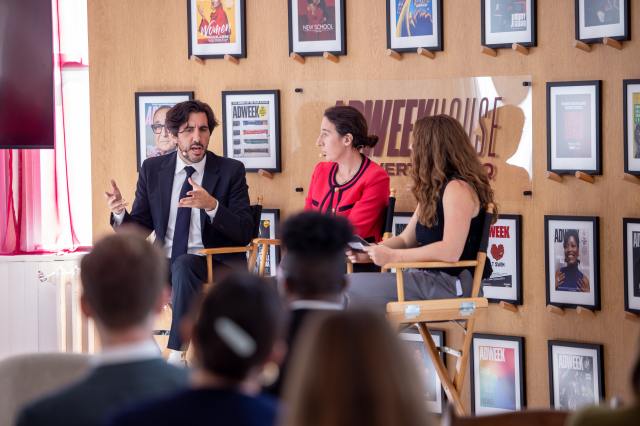
The Golden Bachelor test
His move to advertise during The Golden Bachelor might sound like a gimmick, but it’s actually smart marketing.
That show isn’t just popular; it’s cultural glue. It brings together generations, parents and adult children, partners, roommates, and dominates social chatter the next day. It’s co-viewing at scale.
By showing up there (just as he interviewed ecstatic Knicks fans outside MSG last spring during the playoffs) and mimicking the tone of the show, Mamdani positioned himself as part of the culture, not outside of it.
That’s what every modern marketer aims to do: integrate with what people are already paying attention to, rather than trying to steal attention away. Zohran comes off as “one of us.”
You might disagree he’s the most qualified, but he’s the most watchable by a landslide
Mamdani’s young voter base wants change. And they’re willing to give someone a shot who seems like an earnest changemaker, even if it comes from someone untested, as long as that person feels real.
That’s what Mamdani has mastered. Whether you agree with his policies or not, he’s created emotional resonance with a generation that’s disillusioned with establishment politics. He’s not selling a platform, he’s selling possibility, which is exactly what good marketing does.
Zohran Mamdani isn’t the first politician to promise change, but he’s the first to package it like a cultural product. He found the right audience, used the right platforms, and spoke in the right tone.
In politics, just like in marketing, you can’t win if you’re not where your audience is.
https://www.adweek.com/brand-marketing/zohran-mamdani-is-marketing-politics-like-a-brand/